DeLorean DMC-12
Stainless Steel Dream, Time Travel Icon

The DeLorean DMC-12 is one of the most recognizable cars ever built—less for its performance, and more for its story, its design, and its immortality in pop culture. Born from ambition, controversy, and a bold vision by John DeLorean, the DMC-12 is the ultimate example of how a car can transcend its engineering brief and become a cultural artifact.
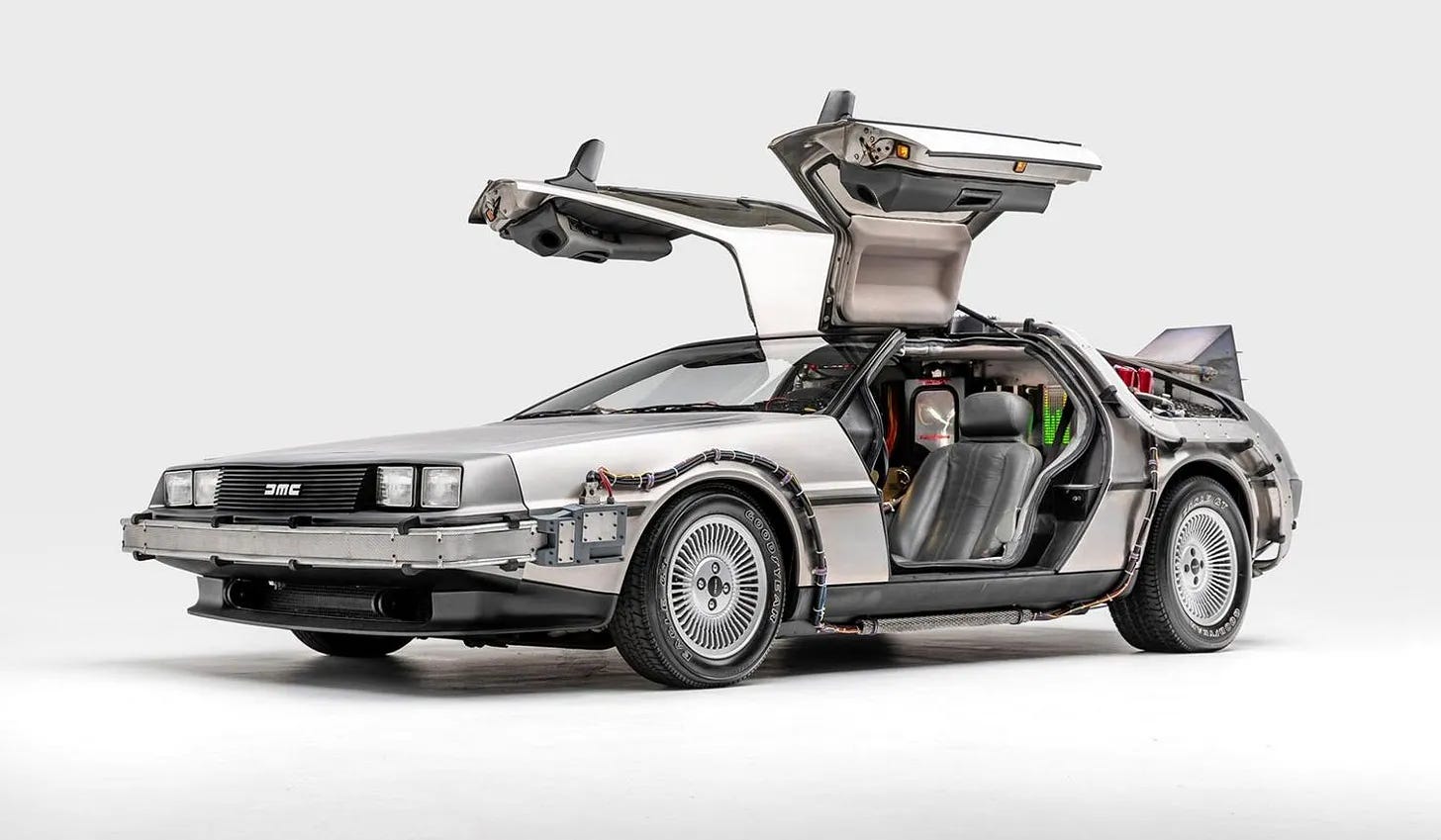
Origins — A Rebel CEO’s Vision
After a successful career at General Motors, where he helped shape icons like the Pontiac GTO, John DeLorean set out to build his own car—one that would be ethical, safe, and futuristic.
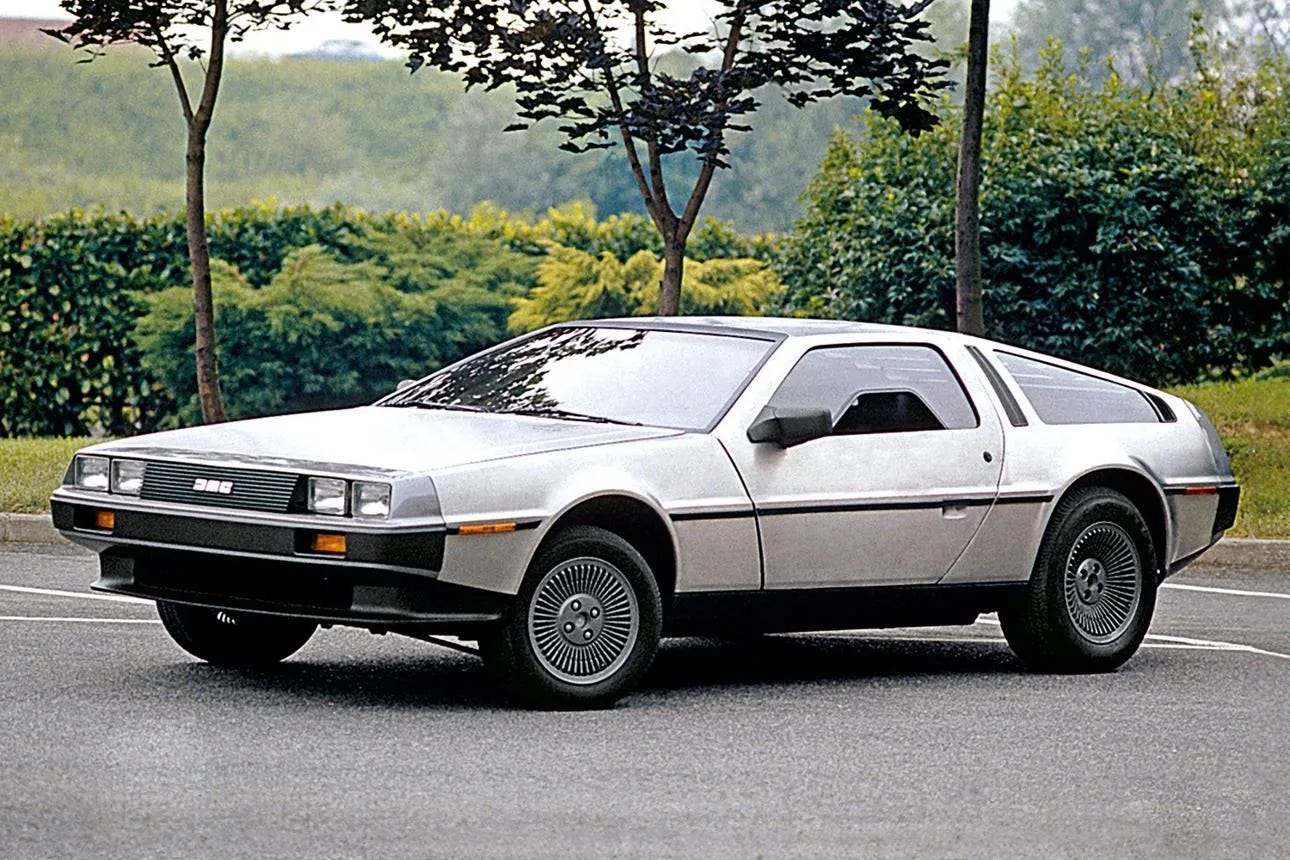
His company, DeLorean Motor Company, established production in Dunmurry, supported by the British government. The result debuted in 1981 as the DMC-12 (“12” originally referencing a projected $12,000 price point that never materialized).
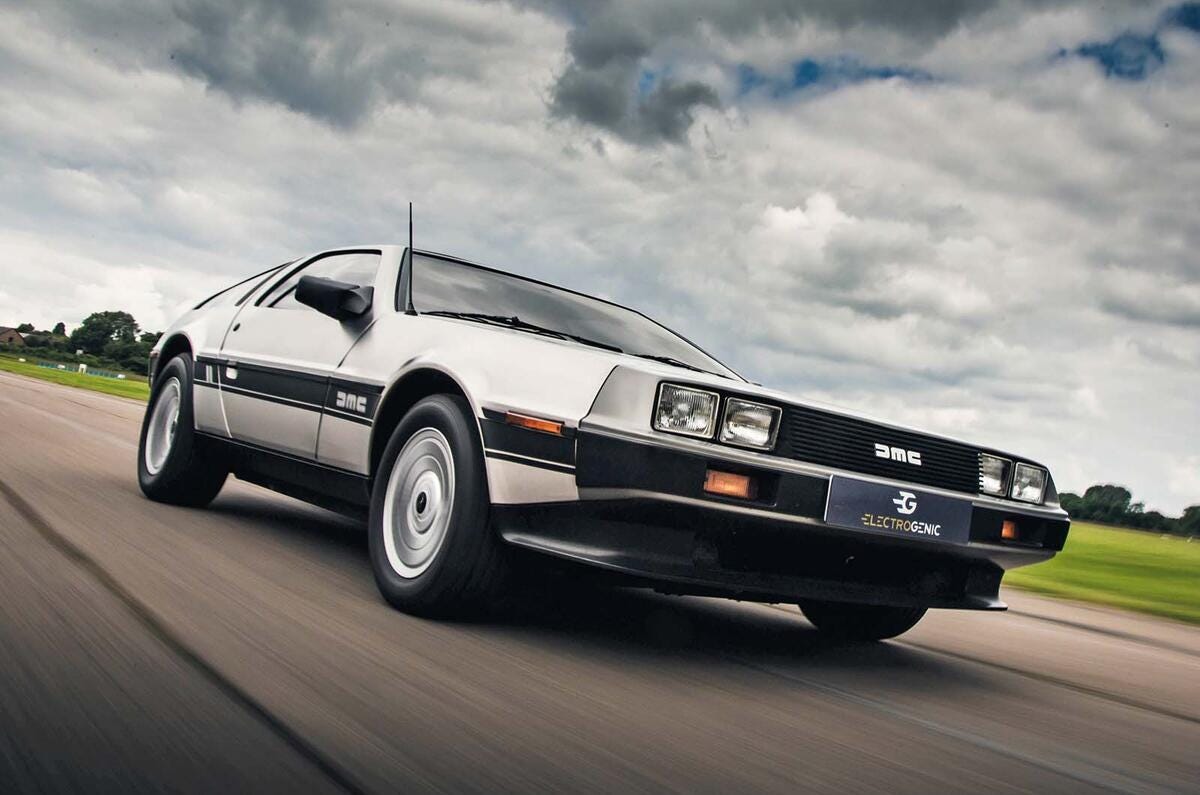
Design — Giugiaro’s Masterpiece
Penned by Giorgetto Giugiaro of Italdesign, the DMC-12 looked like it had landed from the future:
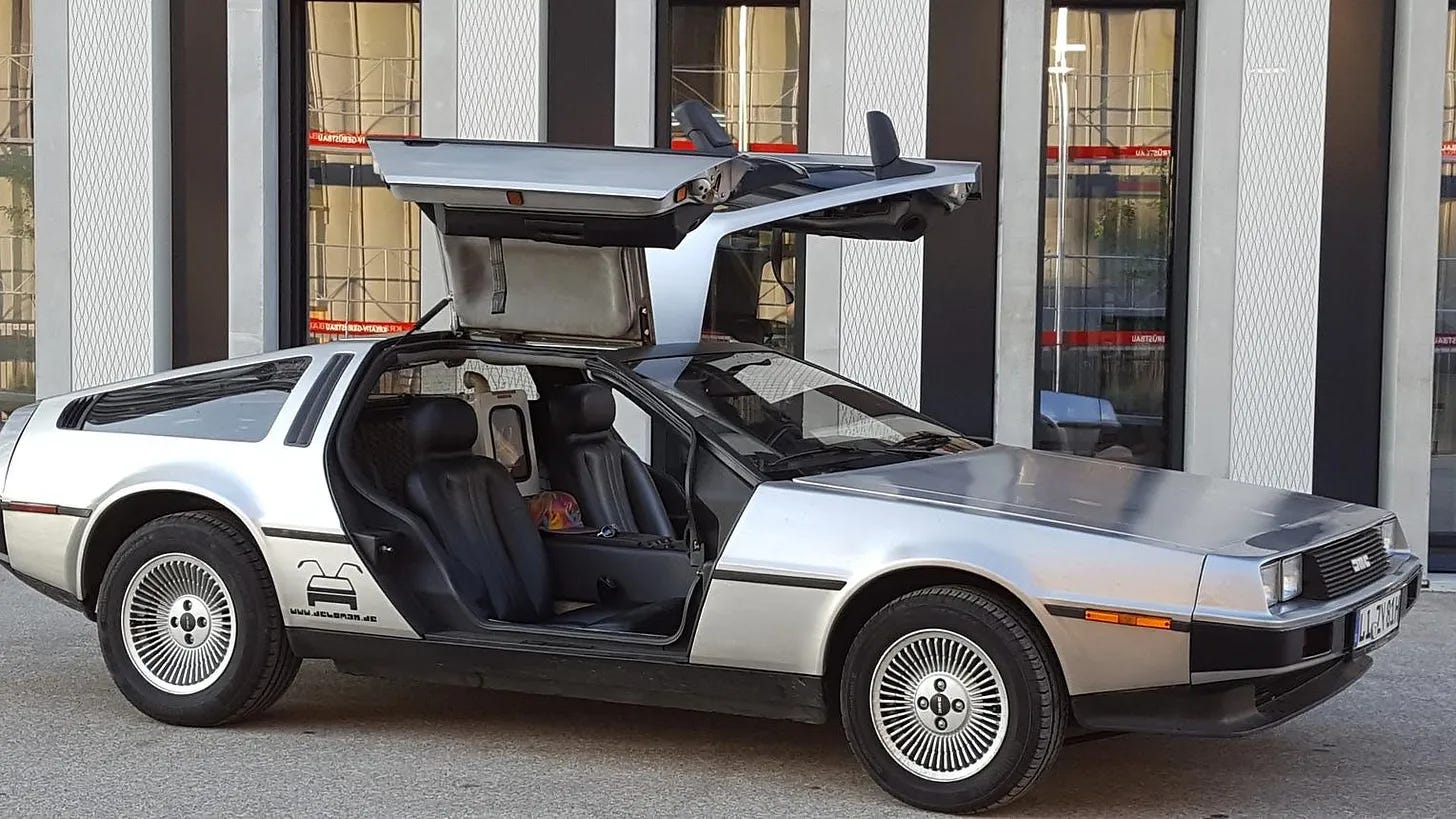
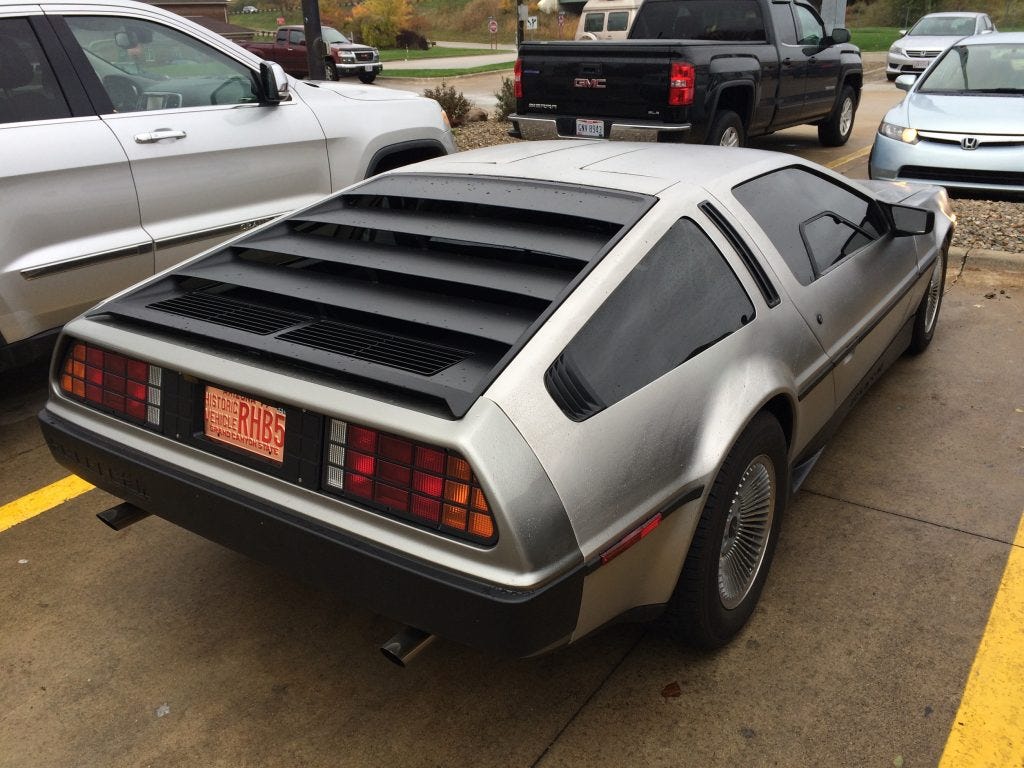
Unpainted brushed stainless steel body panels
Distinctive gullwing doors
Sharp wedge profile inspired by 1970s concept cars
Black urethane bumpers contrasting with raw metal
The stainless steel wasn’t just aesthetic—it resisted corrosion and eliminated the need for paint, though it also made repairs more complex.


Engineering — Lotus Underpinnings, PRV Power
Under the skin, the car was less radical than its exterior suggested. Development was handed to Lotus Cars, with Colin Chapman heavily influencing the chassis.
Platform: Steel backbone chassis (Lotus-derived)
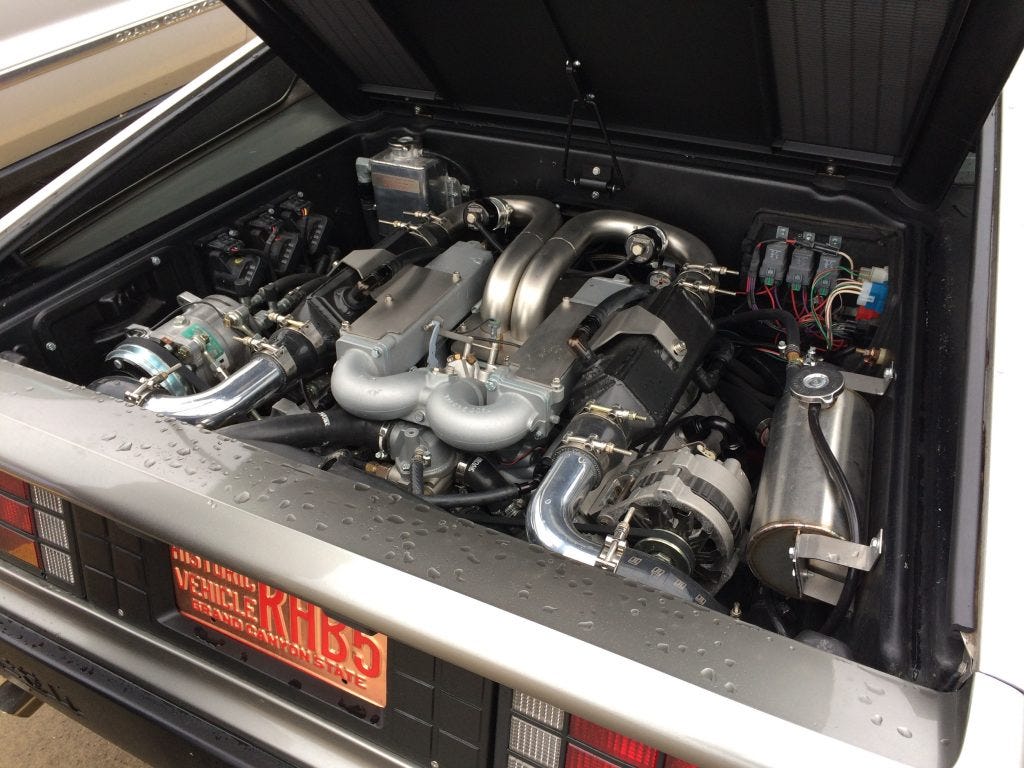
Engine: 2.85L PRV V6 (Peugeot-Renault-Volvo collaboration)
Power: ~130 bhp
Transmission: 5-speed manual or 3-speed automatic
Layout: Rear-engine, rear-wheel drive
Despite its exotic looks, performance was modest—more grand tourer than sports car.
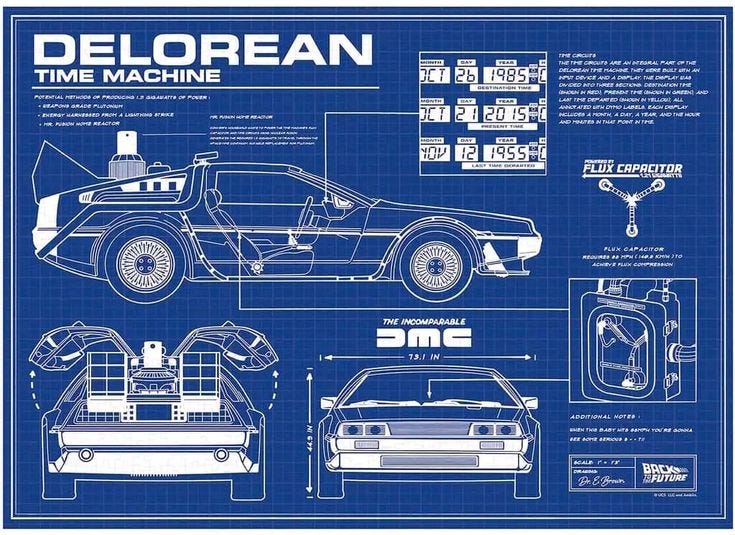
Performance Reality
The DMC-12’s biggest criticism? It looked like a supercar but didn’t perform like one. Weight, emissions regulations, and the underpowered PRV engine meant it lagged behind true performance rivals.
0–100 km/h: ~10.5 seconds and Top speed: ~177 km/h… Meh !
Pop Culture — Back to the Future
Everything changed in 1985 with Back to the Future.
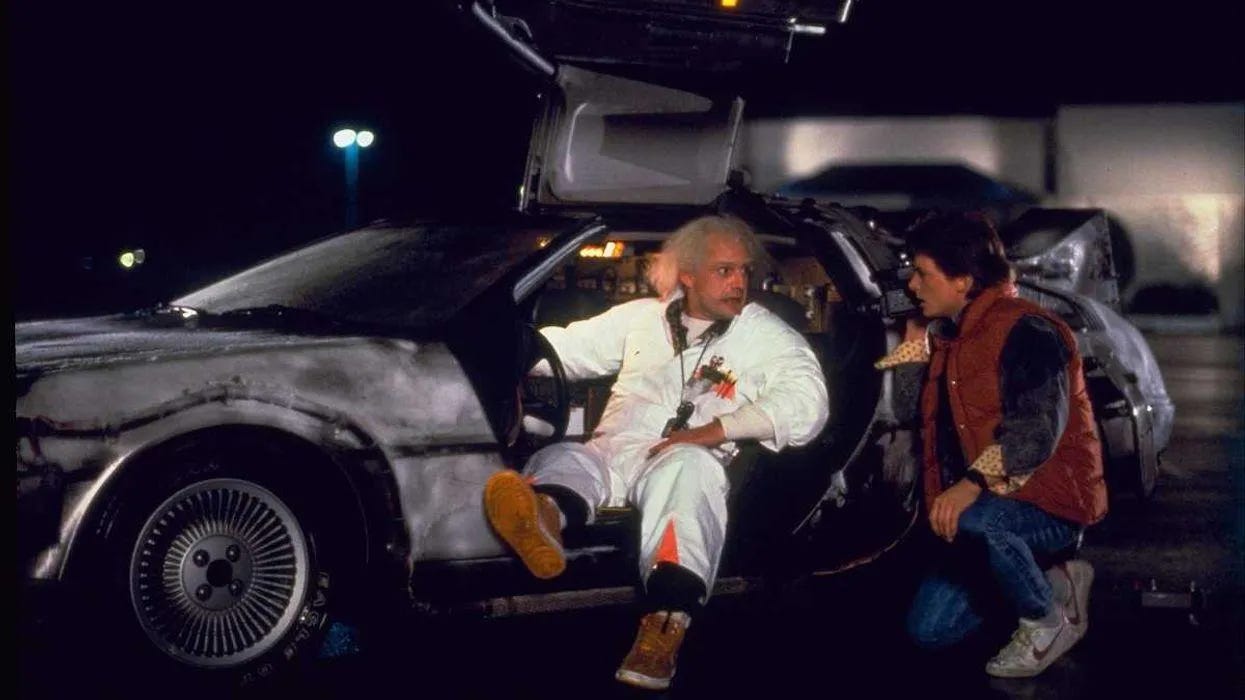
Transformed into a time machine by Doc Brown, the DMC-12 became one of the most famous movie cars ever. The film single-handedly elevated the car from commercial failure to eternal icon status.
Production & Collapse
Production years: 1981–1983
Total built: ~9,000 units
The company collapsed in 1982 following financial troubles and the widely publicized legal scandal involving John DeLorean (he was later acquitted). Production ceased, leaving the DMC-12 as the company’s only model.
Competitor Landscape (Period-Correct)
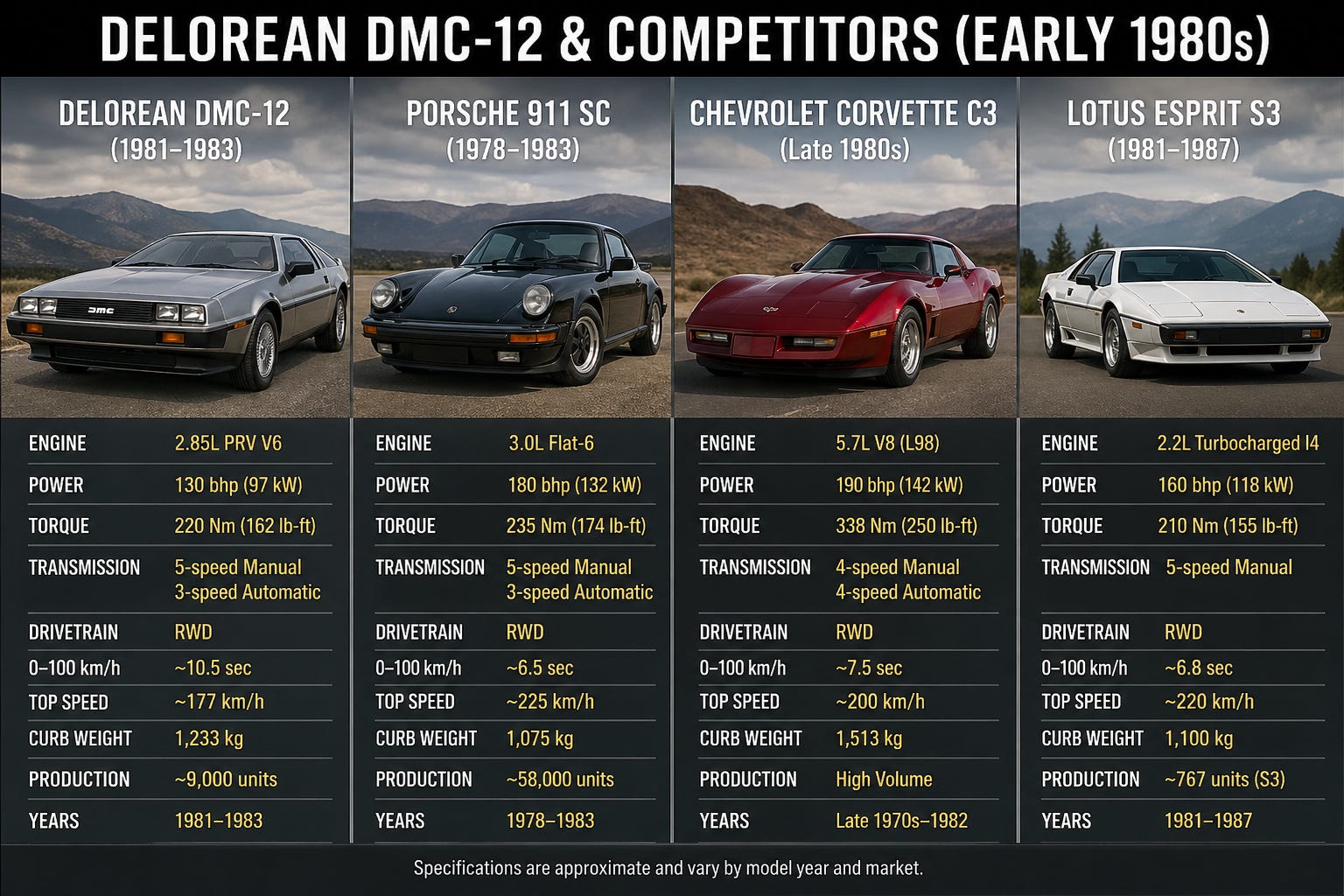
The gap is obvious—the DeLorean competed visually, not dynamically.
Variants, Concepts & “What Could Have Been”
Today, DeLorean Motor Company Texas continue to restore and even build “new” DMC-12s using original stock. Though only one production model existed, several ideas were explored:
Twin-turbo prototypes (rumored performance upgrade)
4-door sedan concept (never realized)
Convertible conversions (aftermarket, very rare)
Industry Impact
The DMC-12 didn’t revolutionize performance—but it did influence:
Brand-driven automotive storytelling
Use of distinctive materials (stainless steel) in production cars
The concept of a car becoming a cultural icon beyond sales success
Few cars prove this better: failure in the market, but immortality in history.


Collector Status Today
Values have surged due to pop culture appeal
Condition and originality matter (especially unmodified panels)
Low-mile, clean examples command strong premiums
Owning one is less about speed and more about owning a piece of automotive myth.
Final Take
The DeLorean DMC-12 is not a great sports car. But that’s missing the point.
It’s a time capsule of ambition, design, and storytelling—a car that proves legacy isn’t defined by numbers, but by impact. And in that regard, the DeLorean didn’t just travel through time… …it conquered it.
Woulda
Shoulda
Coulda